Study Naval Architecture in Korea: LNG Carriers, Marine Engineering and Scholarships
A guide for international students considering naval architecture or marine engineering in Korea, covering LNG carrier strengths, university routes, scholarships and research fields.
Key Points
- Korea has a strong industrial base in LNG carriers and high-value vessels.
- Naval architecture requires links between universities, labs and active shipyards.
- International students can apply through undergraduate international admission or graduate programs.
- Applicants should compare research fields, industry clusters, English routes and scholarships.
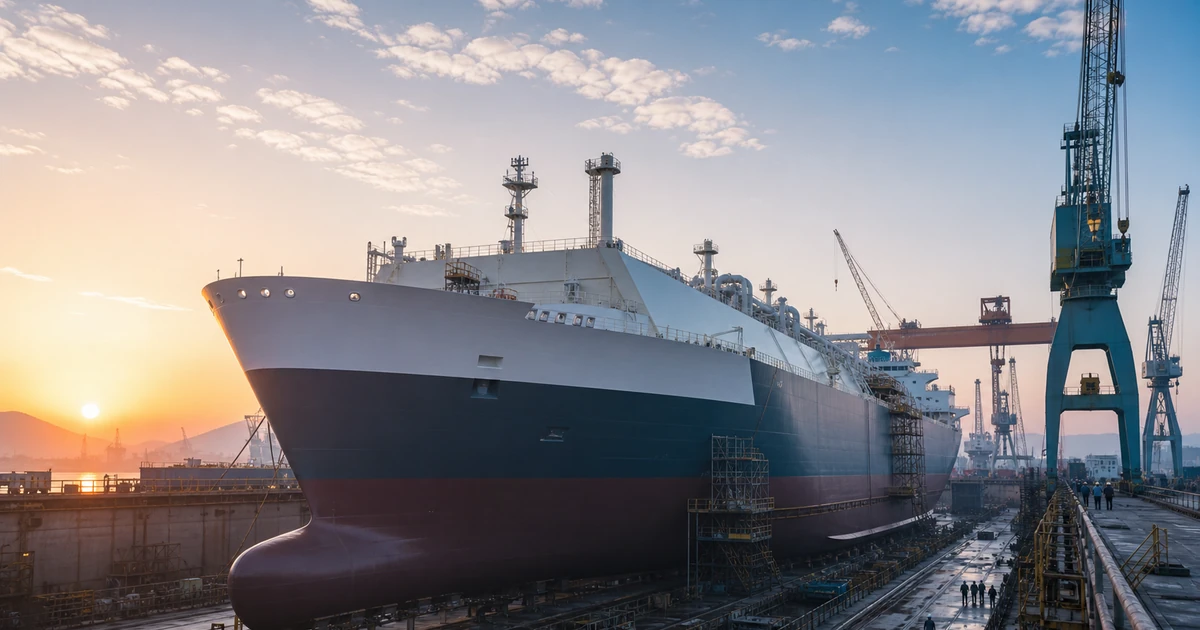
Shipbuilding and Ocean Engineering is a field of study that gains its strength from a vibrant industrial sector. Ship design, offshore structures, propulsion systems, and production processes cannot be learned solely in the classroom; they must be linked to shipyards, research institutes, and hands-on training environments. South Korea is a country where the shipbuilding industry and university education coexist, centered around HD Hyundai, Hanwha Ocean, and Samsung Heavy Industries.
China is the biggest competitor in terms of total ship orders. However, South Korea has a strong foundation in LNG carriers and high-value-added vessel types. According to data on LNG carrier deliveries for 2021–2025 cited by BusinessKorea, South Korean shipbuilders accounted for a significant share of the market. Since LNG carriers require cryogenic storage and transportation technology, the barriers to entry for their design and production are high.
Recent discussions in the U.S. about rebuilding its shipbuilding industry have also brought South Korea’s shipbuilding sector back into the spotlight. Reports on U.S.-South Korea shipbuilding cooperation—known as MASGA—and investments in U.S. shipyards demonstrate that South Korean companies’ technology and production capabilities are becoming the focus of international collaboration. This trend provides students interested in studying shipbuilding and marine engineering with both industry demand and research topics.
Admission pathways for international students include undergraduate programs for international students and graduate programs. The Department of Naval Architecture and Ocean Engineering at Seoul National University, as well as Pusan National University, Ulsan National University, and KAIST, are options where students can evaluate majors, research labs, and access to industry. Universities located near industrial clusters—such as those in Busan, Ulsan, and Geoje—may offer advantages for gaining practical field experience.
When choosing a major, one should not focus solely on the broad term “shipbuilding.” There are distinct subfields such as ship design, offshore plants, structural and fluid mechanics, eco-friendly fuels, autonomous navigation, and production automation. Graduate school applicants should also verify the research lab’s publications and projects, whether courses are taught in English, scholarship conditions, and the possibility of contacting a prospective advisor.
Korea is also worth considering from a cost perspective. The Global Korean Scholarship (GKS) program through Study in Korea and university-specific scholarships for international students can reduce the burden of tuition and living expenses, and tuition fees at national and private universities vary significantly depending on the institution and major. In particular, for students—such as those from India—who prioritize English-taught programs and scholarship opportunities, it is practically important to first check the language requirements and scholarship conditions outlined in the admissions guidelines.
Even if the department name is the same, the nature of Naval and Ocean Engineering programs varies by university. Some institutions excel in fluid and structural analysis, while others focus more on production processes, smart yards, and offshore plants. Universities located near industrial clusters may offer an advantage in gaining practical field experience; however, when applying to graduate school, the supervising professor’s research topics and recent projects serve as more direct criteria for evaluation.
From a student’s perspective, simply checking whether the program is taught in English is not enough. You must also consider laboratory safety training, field internships, the language of thesis supervision, conference presentations, and opportunities to participate in industry projects. Even if a scholarship is offered, it may come with conditions such as participation in lab projects or teaching assistant duties, so it is essential to verify these details before acceptance.
Items for Applicants to Check
- Determine which of the following fields—ship design, offshore structures, propulsion, shipbuilding, or eco-friendly ships—your desired major aligns with most closely. - Check the eligibility criteria, language requirements, and application deadlines separately for the undergraduate international student admissions track and the graduate program’s English-language track. - Prioritize comparing laboratory fit and scholarship conditions over proximity to industrial clusters. - Use terms related to LNG ship specifications and MASGA only based on the latest official sources and news reports.
FAQs
Study Naval Architecture in Korea: LNG Carriers, Marine Engineering and Scholarships — What are the key takeaways?
1. Korea has a strong industrial base in LNG carriers and high-value vessels. 2. Naval architecture requires links between universities, labs and active shipyards. 3. International students can apply through undergraduate international admission or graduate programs. 4. Applicants should compare research fields, industry clusters, English routes and scholarships.
What is the analyst note?
The article should frame Korea as a live industrial and research environment, especially for LNG and high-value vessels, while avoiding overclaiming total shipbuilding dominance. The counseling value lies in research-field fit and scholarship timing.
What are the sources of this article?
The Korea Herald, "한국 조선 세계 점유 22%(세계 2위)" (https://www.koreaherald.com/article/10644690) / BusinessKorea, "LNG 운반선 인도 점유 83.8%(near-monopoly)" (https://www.businesskorea.co.kr/news/articleView.html?idxno=260355) / The Korea Times, "미국 LNG·MASGA 프로젝트(1,500억 달러 조선 협력)" (https://www.koreatimes.co.kr/business/companies/20251231/us-lng-masga-projects-set-to-fuel-koreas-shipbuilding-growth-in-2026) / Study in Korea, "한국 유학 비용·정부초청장학(GKS)" (https://www.studyinkorea.go.kr/)
What government statistics are relevant?
서울대학교 외국인 유학생 2,148명 (2025H2); 부산대학교 외국인 유학생 1,655명 (2025H2); 한국과학기술원 외국인 유학생 1,076명 (2025H2); 중국 출신 한국 유학생 76,532명 (2025H2); 인도 출신 한국 유학생 1,954명 (2025H2). 출처: 법무부 출입국정보화센터 유학생관리정보 (data.go.kr 3069982).
Related Articles
- Universities
- Universities
- Universities
- Universities
- Universities
- Universities
Comments
Please sign in to post a comment.
You will return to this article after sign-in.
Sign inNo comments yet.