

51 Seoul universities recruiting international students, 23 in the northeast zone: a study-abroad map by living area
This divides Seoul's 51 universities recruiting international students into the city's five regional living zones, examining university-concentration areas and international-student support contacts outside institutions.
Key Points
- Fifty-one universities in Seoul recruit international students: 42 are four-year universities and nine are junior colleges.
- They are not evenly distributed across Seoul.
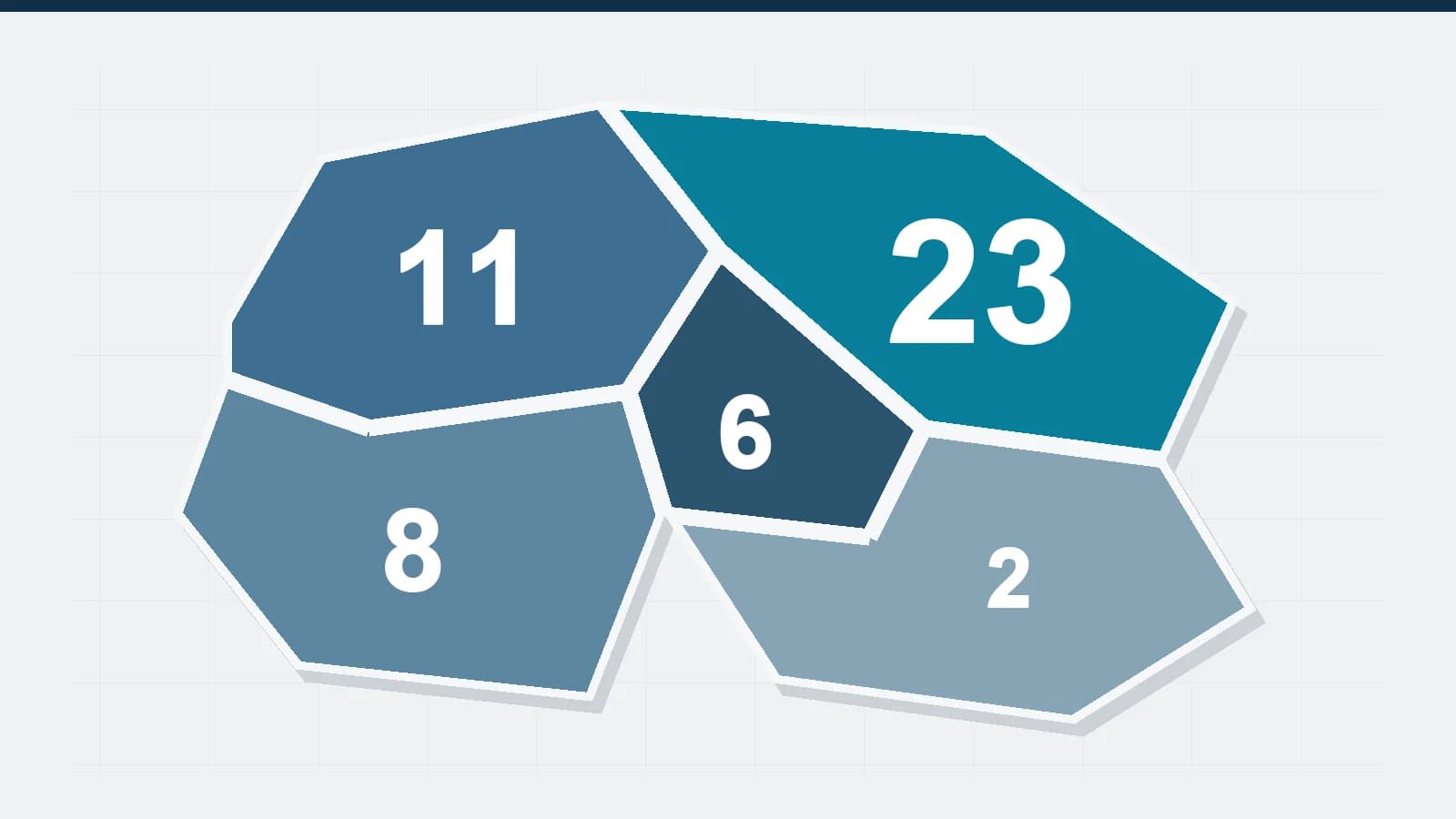
Fifty-one universities in Seoul recruit international students: 42 are four-year universities and nine are junior colleges. They are not evenly distributed across Seoul. When the 50 institutions with confirmed official addresses are divided into Seoul's five regional living zones, 23 are concentrated in the northeast zone, followed by 11 in the northwest, eight in the southwest, six in the central zone and two in the southeast.
This distribution shows why students considering study in Seoul should look at the city where a campus is located as well as the institution name. Even within Seoul, the university district in Sinchon, concentrations in Nowon and Seongbuk, and the education axis in Gwanak and Dongjak have different commuting directions and living ranges. The 50 institutions with matched addresses and disclosures had a combined 60,207 international students in 2025.
Seoul's largest university concentration is in the northeast zone
The northeast zone has 23 institutions, nearly half of Seoul's universities recruiting international students. University districts extend from Konkuk University, Sejong University and Presbyterian University and Theological Seminary in Gwangjin District; Hanyang University and Hanyang Women's University in Seongdong District; Kyung Hee University, the University of Seoul, Hankuk University of Foreign Studies and Sahmyook Health University in Dongdaemun District; Korea University, Kookmin University, Sungshin Women's University, Hansung University, Dongduk Women's University and Seokyeong University in Seongbuk District; to Seoul National University of Science and Technology, Seoul Women's University, Kwangwoon University, Induk University, Korea Bible University and Sahmyook University in Nowon District.
Seoul's 2040 Comprehensive City Plan also views the northeast zone's university infrastructure as a resource that can be linked to knowledge industries. Wangsimni and Cheongnyangni, and Chang-dong and Sanggye, are the zone's major transport and economic hubs, while university districts in Seongsu and Nowon and Seongbuk create different industry and education environments. Even within the northeast zone, everyday movement differs depending on the district in which an institution is located.
The northwest zone of Sinchon and the central zone of Jongno and Jung
The northwest zone has 11 institutions. It includes not only universities known around Sinchon and Hongdae, such as Yonsei University, Ewha Womans University, Sogang University and Hongik University, but also Myongji University, Myongji College, Seoul Women's College of Nursing, Methodist Theological University, Chugye University for the Arts, Seoul Christian University and Kyonggi University Seoul Campus.
The Seoul Global International Student Support Center also opened in Sinchon in May 2026. It is a dedicated contact for international students that connects counseling on employment and entrepreneurship, visas and residence, and adjustment to daily life in one place. The concentration of universities in the northwest zone is thus reflected in the location of support facilities outside institutions.
The six institutions in the central zone are in Jongno, Jung and Yongsan districts. Sungkyunkwan University, Sangmyung University and Baewha Women's University are in Jongno; Dongguk University and SoongEui Women's College are in Jung; and Sookmyung Women's University is in Yongsan. This zone joins campuses with Seoul's historical, cultural and business center. It has fewer institutions than the northeast zone, but city-center access and surrounding urban functions create a wholly different environment.
The southwest zone links Gwanak, Dongjak and Guro
The southwest zone has eight institutions: Seoul National University in Gwanak District; Soongsil University, Chung-Ang University and Chongshin University in Dongjak District; Dongyang Mirae University and Sungkonghoe University in Guro District; Gangseo University in Gangseo District; and Seoul Hanyoung University in Yeongdeungpo District.
Seoul's plan presents the Seoul National University-Soongsil University-Chung-Ang University area as an education-and-culture axis south of the Han River. Viewed alongside Gwanak S Valley, G Valley and technical junior colleges in Guro, the southwest zone is an area where large comprehensive universities, engineering and vocational education, and industry-academic links lie on one axis. Yet travel between Gwanak and Guro is not short even inside the same zone. A zone is a unit for viewing urban structure, not one university district.
The southeast zone's institutions recruiting international students are Seoul National University of Education and Korea National Sport University. It has the fewest institutions, but both have clear educational purposes: elementary-teacher education at Seoul National University of Education and specialization in sports at Korea National Sport University. Their starting point for choosing an institution differs from the northeast and northwest zones, which have many comprehensive universities.
Placing Seoul's 50 institutions by living zone
| Zone | Number of institutions | Universities recruiting international students |
|---|---|---|
| Northeast | 23 | Konkuk University, Sejong University, Presbyterian University and Theological Seminary, Kwangwoon University, Sahmyook University, Seoul National University of Science and Technology, Seoul Women's University, Induk University, Korea Bible University, Duksung Women's University, Kyung Hee University, Sahmyook Health University, University of Seoul, Hankuk University of Foreign Studies, Hanyang University, Hanyang Women's University, Korea University, Kookmin University, Dongduk Women's University, Seokyeong University, Sungshin Women's University, Hansung University, Seoil University |
| Northwest | 11 | Sogang University, Hongik University, Methodist Theological University, Kyonggi University Seoul Campus, Myongji University, Myongji College, Seoul Women's College of Nursing, Yonsei University, Ewha Womans University, Chugye University for the Arts, Seoul Christian University |
| Southwest | 8 | Gangseo University, Seoul National University, Dongyang Mirae University, Seoul Hanyoung University, Sungkonghoe University, Soongsil University, Chung-Ang University, Chongshin University |
| Central | 6 | Sookmyung Women's University, Baewha Women's University, Sangmyung University, Sungkyunkwan University, Dongguk University, SoongEui Women's College |
| Southeast | 2 | Seoul National University of Education, Korea National Sport University |
The Catholic University of Korea Seoul Campus is included among the 51 institutions recruiting international students, but was not placed in the zone table because this address comparison did not resolve its link to a disclosed campus. The table therefore totals 50 institutions.
Look at the actual campus, not just the name Seoul
Seoul's university distribution further differs by institution type. The five national, public and special-purpose institutions are scattered across Gwanak, Nowon, Dongdaemun, Seocho and Songpa. The nine junior colleges also extend from Jongno and Jung to Guro, Nowon and Jungnang. Private four-year institutions form large clusters in the northeast and northwest zones.
Therefore, when comparing Seoul universities, look together at the district and living zone of the campus, housing arrangement and commuting direction, rather than grouping them in one cell as "located in Seoul." The next article compares Seoul's five national, public and special-purpose institutions on the same tuition, international-student and dormitory standards, followed by the nine junior colleges and Seoul's support network for international students outside institutions.
Data and method
The university scope uses the 51 Seoul institutions among 307 approved by GEA as recruiting international students. Addresses follow the Korean Council for University Education's Standard Data for Universities and Junior Colleges Nationwide, and zones follow Seoul's 2040 Comprehensive City Plan. The 2025 international-student total aggregates University Alimi disclosures for the 50 institutions with linked institutions and campuses. A living zone is not a university ranking or a living-cost grade.
Related Articles
- Universities
- Universities
- Universities
- Universities
- Universities
- Universities
Comments
Please sign in to post a comment.
You will return to this article after sign-in.
Sign inNo comments yet.